VAPT engagement
After completing a VAPT engagement, organizations need to take structured actions to address identified security weaknesses and improve their overall cybersecurity posture. The completion of testing does not mean the security process is finished. Instead, the findings provide valuable information that helps businesses understand existing risks and develop effective strategies to strengthen their defenses. Proper follow-up activities ensure that the effort invested in security testing delivers long-term value.
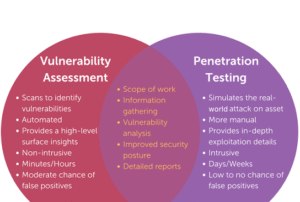
The first step after a VAPT engagement is reviewing and understanding the assessment report. Organizations should carefully analyze the identified vulnerabilities, risk ratings, technical details, and recommended solutions. The report usually provides information about security gaps discovered during testing and explains how those weaknesses could affect business operations. A vulnerability assessment & penetration test helps provide a clear picture of potential threats by combining vulnerability identification with practical security analysis.
Once the findings are reviewed, organizations should prioritize vulnerabilities based on their severity and business impact. Not every issue requires the same level of urgency, so security teams should focus first on critical and high-risk vulnerabilities. Factors such as exploitability, affected systems, sensitivity of information, and potential damage should be considered when creating a remediation plan. Prioritization helps organizations use their resources effectively and reduce the most significant risks quickly.
The next important step is remediation of identified vulnerabilities. Security teams, developers, and system administrators work together to apply recommended fixes and improve security controls. Remediation actions may include installing software updates, changing configurations, strengthening authentication mechanisms, improving access controls, or modifying application code. The goal is to eliminate vulnerabilities or reduce their impact if immediate removal is not possible.
Organizations should also document all remediation activities performed after testing. Maintaining records of implemented fixes helps track progress and provides evidence of security improvements. Documentation is especially important for businesses that need to demonstrate compliance with security requirements or internal policies. It also allows teams to review past issues and understand how security practices have evolved over time.
After vulnerabilities have been addressed, retesting should be performed to confirm that the fixes are effective. Retesting allows security professionals to verify whether previously identified weaknesses have been resolved and whether any additional issues remain. Without validation, organizations may assume that vulnerabilities have been fixed when hidden risks could still exist. A follow-up evaluation provides confidence that security improvements are working as intended.
What should be done after a VAPT engagement?
Communication between technical teams and management is another important activity after a VAPT engagement. Security findings should not remain limited to the cybersecurity department. Business leaders need to understand the risks identified, their potential impact, and the actions required to improve protection. Clear communication helps ensure that security becomes a shared responsibility across the organization.
Organizations should also update their security policies and procedures based on assessment findings. If testing reveals weaknesses in access management, system configurations, employee practices, or security processes, existing policies may need improvement. Updating procedures helps prevent similar issues from occurring again and supports a stronger security culture within the organization.
Employee awareness and training can also be improved using insights from security testing. Some vulnerabilities may result from human behavior, such as weak password practices, poor handling of sensitive information, or lack of awareness about cyber threats. Providing regular training helps employees understand their role in maintaining security and reduces risks associated with human errors.
Continuous monitoring should become part of the organization’s long-term security strategy after completing testing. Cyber threats constantly change, and new vulnerabilities can appear as systems are updated or new technologies are introduced. Organizations should regularly monitor their environments, review security controls, and conduct periodic assessments to maintain strong protection.
Another important step is integrating security improvements into future planning. The findings from the assessment can guide decisions related to technology investments, infrastructure changes, application development, and risk management strategies. Organizations can use these insights to build more secure systems from the beginning rather than addressing problems after deployment.
A vulnerability assessment & penetration test provides organizations with valuable security insights, but its effectiveness depends on how findings are handled afterward. Simply receiving a report is not enough; businesses must analyze results, prioritize risks, implement fixes, and verify improvements. The post-assessment phase determines whether the organization can successfully reduce vulnerabilities and strengthen its security defenses.
By taking appropriate actions after a VAPT engagement, organizations can improve resilience, protect sensitive information, and reduce the likelihood of successful cyberattacks. Continuous improvement, regular monitoring, and proactive security practices help businesses stay prepared against evolving threats. A well-managed follow-up process ensures that security testing becomes an ongoing effort rather than a one-time activity, allowing organizations to maintain a stronger and more secure digital environment.