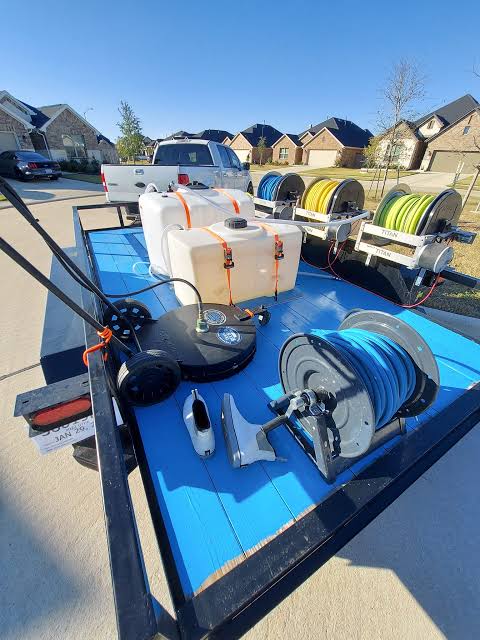
A pressure washing company can serve homeowners, landlords, property managers, and commercial clients who need exterior cleaning services. Yet turning the idea into a working business requires careful decisions about equipment, service quality, customer communication, and marketing.
Entrepreneurs who establish these fundamentals early can avoid common mistakes and build a more professional operation.
Understand the Business Opportunity
Pressure washing can address several everyday property-maintenance needs. Driveways collect dirt and grime, patios accumulate outdoor residue, and appropriate exterior surfaces may require periodic cleaning.
Begin by studying the customers in your local market. Find out which services are already widely available and where customers may need a more convenient or reliable provider.
Instead of advertising every possible cleaning service, select a manageable group of services that matches your skills and equipment. A focused service offering can make marketing simpler and help you develop repeatable work procedures.
Create a Realistic Startup Budget
Your budget should include more than the pressure washer. Consider hoses, nozzles, protective equipment, detergents, transportation, business registration, insurance, marketing, and equipment maintenance.
Include a reserve for unexpected expenses. Equipment breakdowns, weather delays, and slow business periods can affect cash flow, particularly during the early stages.
Research equipment specifications before buying. The right setup depends on the surfaces you intend to clean, the frequency of jobs, and the requirements of your customers.

Establish a Professional Workflow
A consistent workflow improves communication and reduces avoidable errors. Start by recording customer details and asking questions about the property, requested service, access, and visible surface conditions.
Next, provide an estimate that explains what is included. Confirm the appointment, inspect the work area, document existing damage where appropriate, and complete the job using suitable cleaning methods.
Afterward, inspect the results, communicate with the customer, and issue an invoice. Keeping records of each stage makes it easier to resolve questions and maintain reliable service standards.
The Pressure Washing Business Starter Kit is a resource worth reviewing when preparing the planning materials and business documents needed to support a new operation.
Build a Marketing Strategy
Local marketing works best when customers can quickly understand what you offer and how to contact you. Create a clear business profile, publish accurate service information, and share authentic before-and-after photographs when customers have given permission.
You can also distribute flyers where permitted, connect with local property professionals, and ask satisfied customers for referrals.
Keep marketing messages specific. Explain the type of surface you clean, the areas you serve, and how customers can request an estimate. Avoid promising results that depend on the condition or material of a surface.
Price for Sustainability
Set prices based on labor, materials, travel, overhead, and the complexity of the job. An easy-looking driveway may require substantial preparation or additional time because of its size, drainage, or condition.
Use written estimates and explain any factors that could change the final price. Review completed jobs regularly to compare estimated costs with actual expenses.
Focus on Customer Retention
A professional customer experience does not end when the equipment is switched off. Arrive as scheduled, protect suitable surrounding areas, communicate delays, and leave the worksite orderly.
Maintain customer records and follow up when appropriate. Repeat business and referrals can reduce the pressure to find new customers continuously.
Final Thoughts
Launching a successful pressure washing company requires planning, operational discipline, and dependable customer service. Research your market, budget carefully, develop repeatable procedures, and monitor financial performance.
With steady improvement and a realistic growth strategy, you can build a service business that earns customer confidence and creates opportunities for expansion.