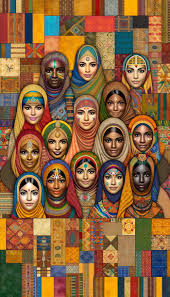
The Vibrant World of Arts and Entertainment: A Cultural Tapestry
Arts and entertainment have long been an integral part of human culture, offering a rich tapestry of creativity, emotion, and expression. From the earliest cave paintings to modern cinema, the evolution of artistic endeavors and entertainment forms has mirrored the progress of society itself. In the contemporary world, these industries are more accessible and diverse than ever, serving as a mirror to societal values while also providing escapism, education, and a means of connection.
The Power of Artistic Expression
Art has the ability to transcend time and place, communicating feelings, ideas, and perspectives across generations and cultures. Whether through visual arts, music, dance, or literature, art provides an outlet for both creators and viewers to engage with the world in unique ways. The sheer diversity of artistic forms—from the classical paintings of the Renaissance to the avant-garde performances of today—demonstrates how art evolves to reflect changing ideologies, technological advancements, and societal shifts.
In many ways, art also functions as a vehicle for social change. Throughout history, movements like the Harlem Renaissance, Surrealism, and the Feminist Art Movement have used the power of artistic expression to challenge prevailing norms and spark conversation. Art has often been at the forefront of societal movements, speaking to the issues of its time and advocating for justice, equality, and freedom of expression.
The Role of Entertainment in Modern Society
Entertainment, often closely tied to the arts, plays a pivotal role in modern life, offering a form of relief from the stresses and strains of daily existence. Whether through films, television shows, sports, or music concerts, entertainment allows individuals to step outside of their own lives and immerse themselves in stories, emotions, and experiences that differ from their own. This is particularly important in an increasingly fast-paced, interconnected world where people are seeking ways to relax, engage with others, and expand their horizons.
The entertainment industry has grown exponentially over the past century, with new technologies—such as the internet and streaming services—revolutionizing how content is consumed. Today, global platforms like Netflix, Spotify, and YouTube provide on-demand access to movies, TV shows, music, and more, giving audiences a broader array of choices than ever before. The growth of video games, interactive media, and virtual reality experiences has further transformed entertainment, creating immersive worlds where users can explore, learn, and interact in real-time.
Bridging Gaps and Fostering Global Connections
The combination of arts and entertainment has a unique ability to connect people from all walks of life. Art, in its many forms, often bridges cultural divides, inviting individuals from different backgrounds to understand and appreciate each other’s perspectives. Whether through a globally popular song, a viral meme, or an acclaimed film, entertainment provides a platform for dialogue and understanding on a global scale.
Moreover, events such as music festivals, art exhibitions, and theatrical performances serve as physical spaces for communal interaction, where people can gather, celebrate, and create shared experiences. These events foster a sense of belonging, contributing to the overall well-being of communities and offering a collective identity that transcends geographical boundaries.
Conclusion
In conclusion, arts and entertainment are much more than just hobbies or pastimes; they are fundamental components of human culture that influence and reflect the world around us. Through creative expression, entertainment serves as a lens through which we can explore, understand, and appreciate the richness of the human experience. Whether as a form of self-expression, a method of social change, or a source of relaxation and enjoyment, arts and entertainment continue to shape society and enrich our lives in countless ways.